

Vestibular Physiotherapy in Fernie BC
Are you struggling with vertigo or other vestibular conditions? Visit Ridgeline Physio, where our team can help assess and treat your vertigo. Our goal is to make the path to recovery clear and simple. We deliver evidence based treatment, as well as the tools and knowledge for success long-term.
Proudly providing vestibular care to the Elk Valley and surrounding areas, including Fernie, Jaffray, Sparwood, Elkford, Elko, Grasmere, Crowsnest Pass, and beyond.

What is Vertigo?
Vertigo is a condition caused by a dysfunction of the vestibular system. The vestibular system is located in the inner ear, and consists of a few main components. The main components are three semicircular canals, two otolith organs called the Saccule and the Utricle, and the vestibularcochlear nerve. You can experience vertigo when you have issues in any of these three locations.
The Vestibular System helps the body know where the head is in space. It helps detect motion and orientation of the head. By integrating with the eyes, and other perceptive systems, it helps us stay balanced and track motion
When our Vestibular System isn’t working well we can experience symptoms such as
imbalance
dizziness
motion sensitivity
light-headedness
tinnitus (ear ringing)
What are Common Vestibular Conditions?
The main vestibular conditions are:
1) Benign Paroxysmal Proximal Vertigo (BPPV)
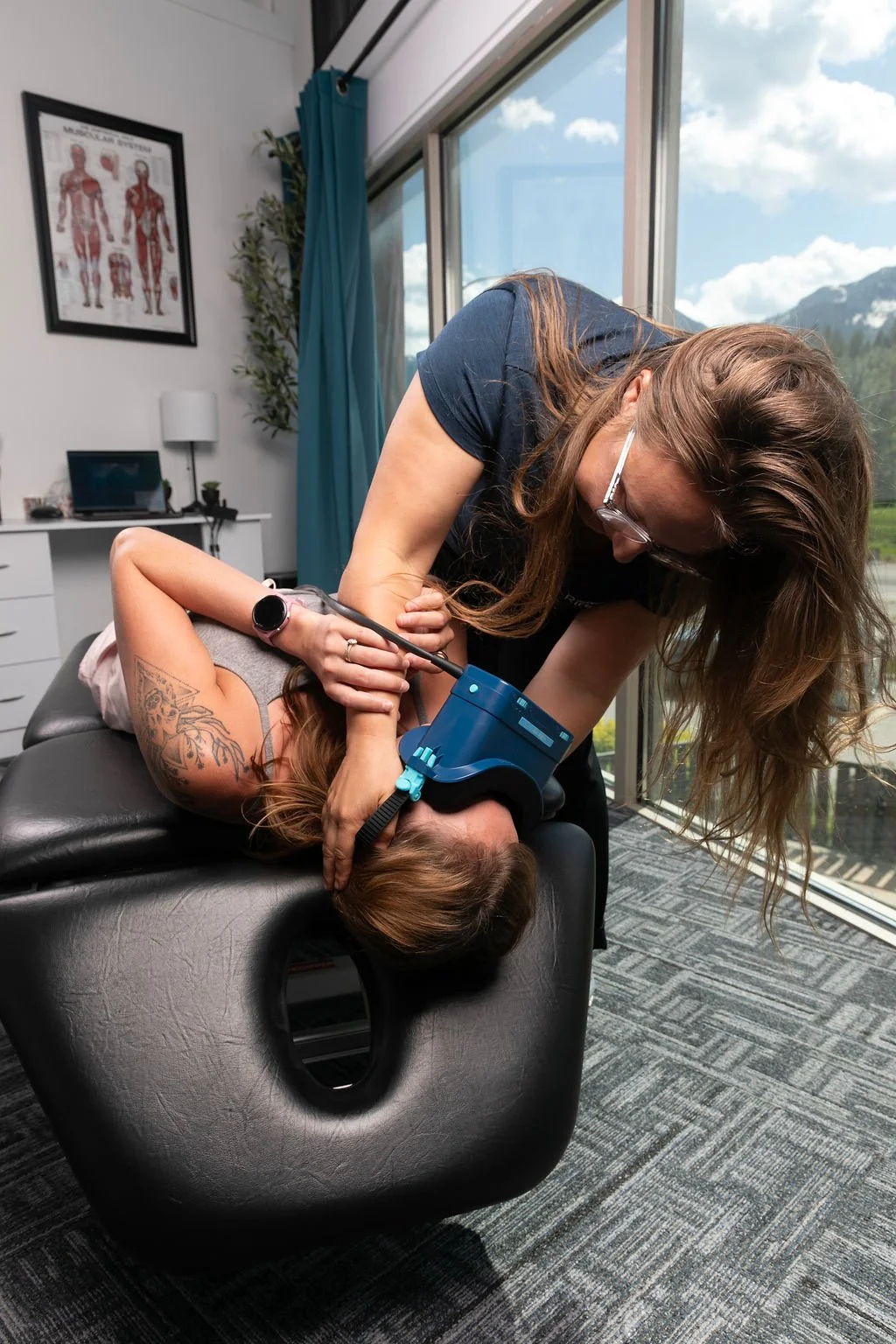
This occurs when calcium carbonate crystals from one area of the vestibular system get knocked into a semi-circular canal. This condition can make the room spin for 10sec-2mins
The most common manoeuvre is the Epley Manoeuvre
2) Unilateral Vestibular Hypofunction (ex. Vestibular Neuritis)
This occurs when there is a problem with the Vestibular Nerve (often a viral infection). This condition can cause significant dizziness and imbalance.
3) Other Vestibular Conditions:
Meniere’s Disease
Vestibular Migraine
Vestibular Labyrinthitis
How Can Vestibular Physiotherapy Help?
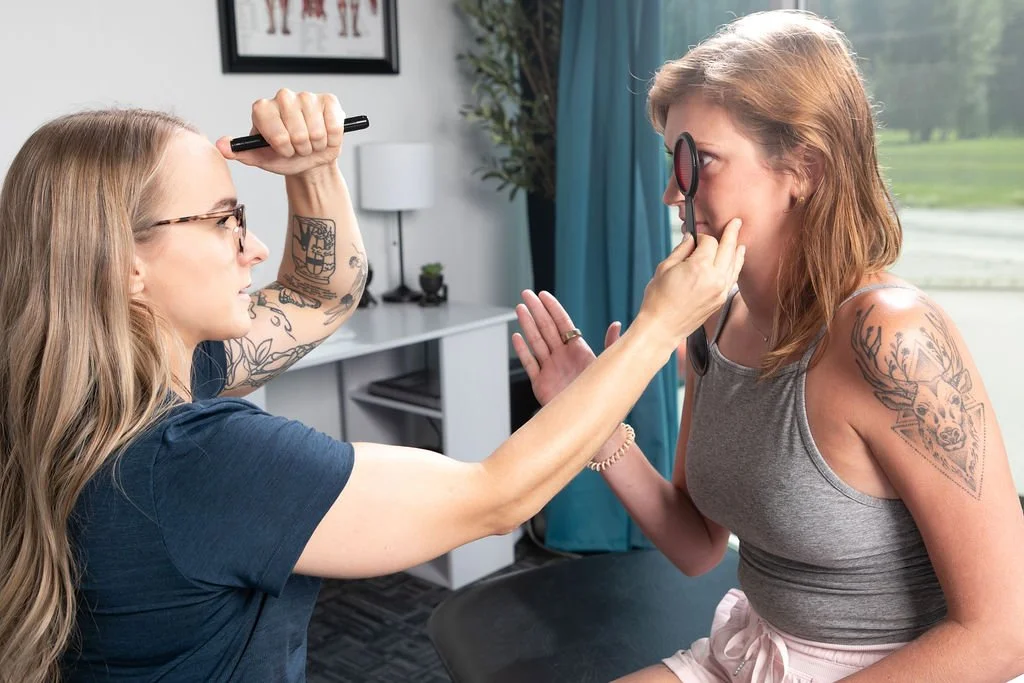
The good news is that a vestibular physical therapist can help manage your vestibular symptoms. During the assessment, we will determine the cause of your vertigo. Once we determine the cause we are able to pick a treatment method that is suitable for your condition. For example;
If you have BPPV: Canalith Repositioning Maneuvers are very effective at treating BPPV. BPPV will often take between 1-5 sessions to resolve. Examples of this include the Epley Maneuver. Visit our blog for more information on BPPV.
If you have Vestibular Hypofunction (UVL): Treatment will include a variety of exercises. We will focus on gaze stabilization, balance training, visual rehabilitation, and motion desensitization. Most people with a UVL will undergo 6-12weeks of vestibular rehabilitation.
Frequently Asked Questions about Vestibular Physio
-
Yes! There are many reasons for dizziness. During a Vestibular Physio assessment, we determine the cause of vertigo and whether it is a type that we can rehab in the clinic
For conditions such as BPPV, vestibular neuritis and concussions, vestibular physiotherapy can be extremely effective.
Depending on the cause of your symptoms, treatment may include specialized repositioning maneuvers, balance exercises, gaze stabilization exercises, and gradual exposure to movements that trigger dizziness.
-
BPPV, or benign paroxysmal positional vertigo, is a common inner-ear condition that can cause brief episodes of spinning or dizziness when you change the position of your head. It often occurs when small calcium crystals in the inner ear become displaced.
A Vestibular physiotherapist can assess for BPPV and, when appropriate, perform a repositioning maneuver to help return the crystals to their proper position.
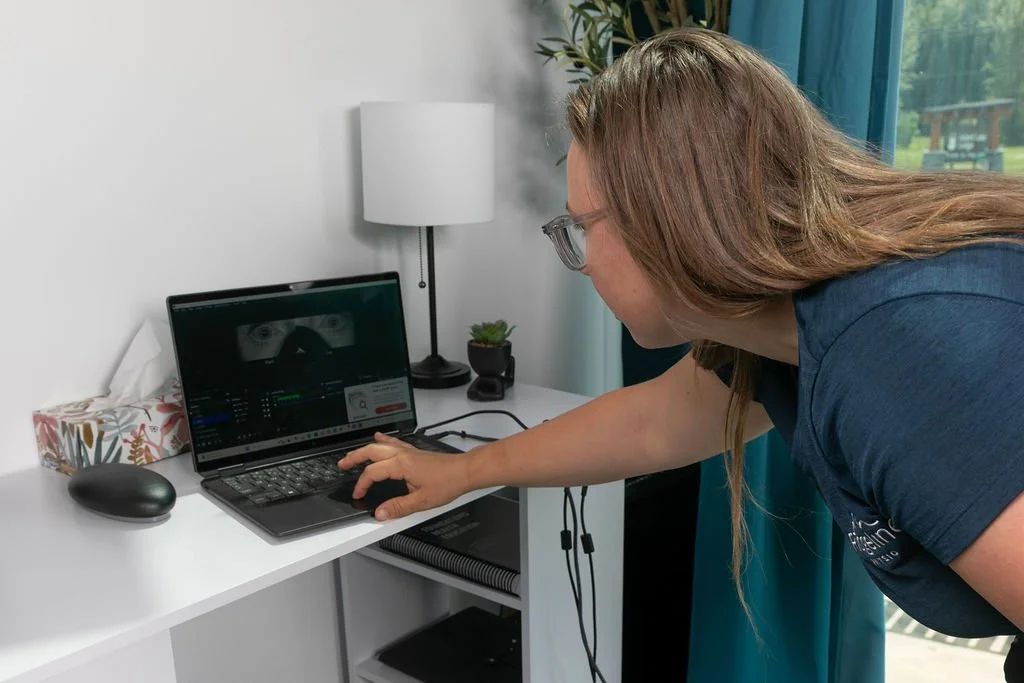
At the clinic, we use specialized infrared goggles (VOG) to better be able to see where the crystals are in your vestibular organ, which makes repositioning maneuvers more effective
-
BPPV is commonly treated with specific canalith repositioning maneuvers. Your vestibular physiotherapist will first determine which inner-ear canal is affected using Vestibular-Ocular Goggles, and then perform an appropriate maneuver based on the assessment findings.
Additional exercises or follow-up treatment may be recommended if symptoms persist or if balance problems remain after the vertigo improves.
-
Typically, your first appointment includes a conversation including a detailed history of your symptoms, medical history, and how your dizziness or balance problems affect your daily life.
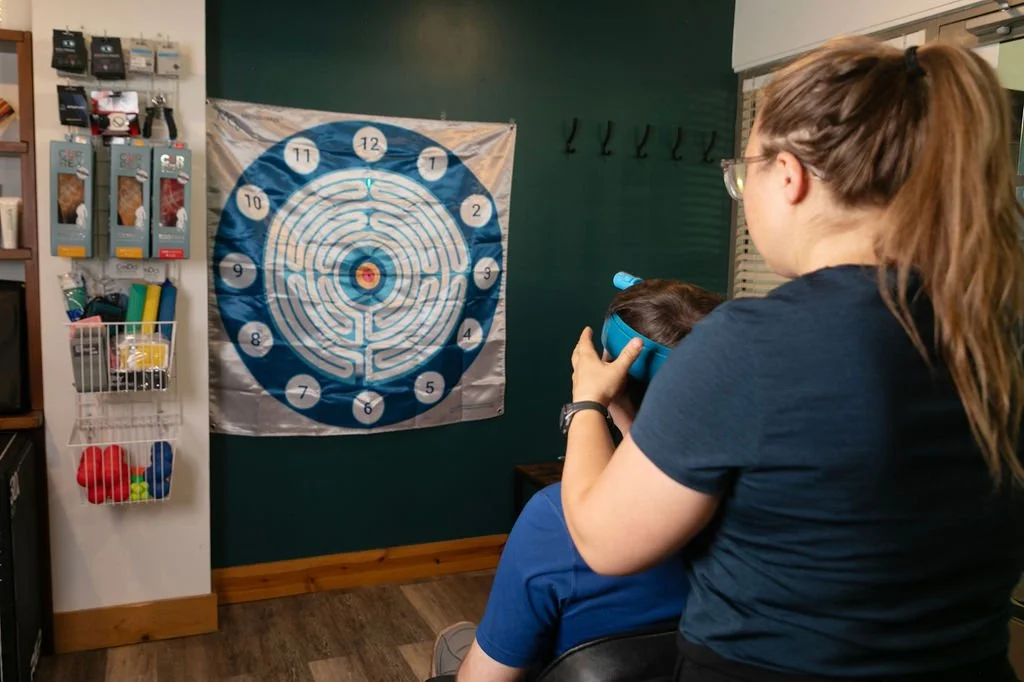
Your vestibular physiotherapist will assess your eye movements in room light and in the dark using infrared vestibulo-ocular goggles, head movements, balance, walking, coordination, and positional responses. Based on the assessment, they will explain their findings and create an individualized treatment and exercise plan for your vertigo.
-
The length of treatment varies depending on the cause and severity of your symptoms.
BPPV often resolves within 1-5 sessions, while other vestibular conditions may require several weeks or months of rehabilitation.
Your physiotherapist will monitor your progress and adjust your treatment plan as you improve.
-
Yes! Vestibular physiotherapy is generally safe, when executed by a qualified vestibular physiotherapist.
Some exercises may temporarily increase your dizziness or symptoms as it is necessary for diagnosis and treatment. These exercises should become less provocative over time as your recover. Your physiotherapist will determine the appropriate intensity and progression for your individual needs.
-
Yes. Vestibular physiotherapy can be an important part of rehabilitation for some people following a concussion. With that said it it only one part of the brain that is impacted. If concussion history is present, our physio’s will likely perform a full concussion assessment as well as vestibular assessment to help find the root cause of dizziness, which can be in may areas of the brain.
If you experience dizziness, balance difficulties, motion sensitivity, visual discomfort, or symptoms triggered by head movement after a concussion, a vestibular physiotherapist can assess these symptoms and develop an appropriate rehabilitation program.
-
If you have coverage for physiotherapy in your extended health benefits, this will cover vestibular physiotherapy.
Please contact your insurance provider or physiotherapy clinic if you are unsure about your coverage.
-
If possible, bring a list of medications, relevant medical information, and any reports or imaging related to your dizziness or balance concerns. Wear comfortable clothing and supportive footwear that allow you to move safely. It can also be helpful to make a note of when your symptoms occur, what triggers them, and how long they typically last.